Premium Printing Services: Enhance Your Brand With High-Quality Printers and Bespoke Solutions
Top-rated printing services are crucial for businesses looking to enhance their brand visibility. Quality printing can significantly influence how a brand is perceived, making it essential to choose the right provider. These services offer a variety of customizable options that cater to specific marketing needs. However, understanding what sets these services apart and how they can be leveraged for maximum impact remains a critical consideration for any business aiming to stand out.
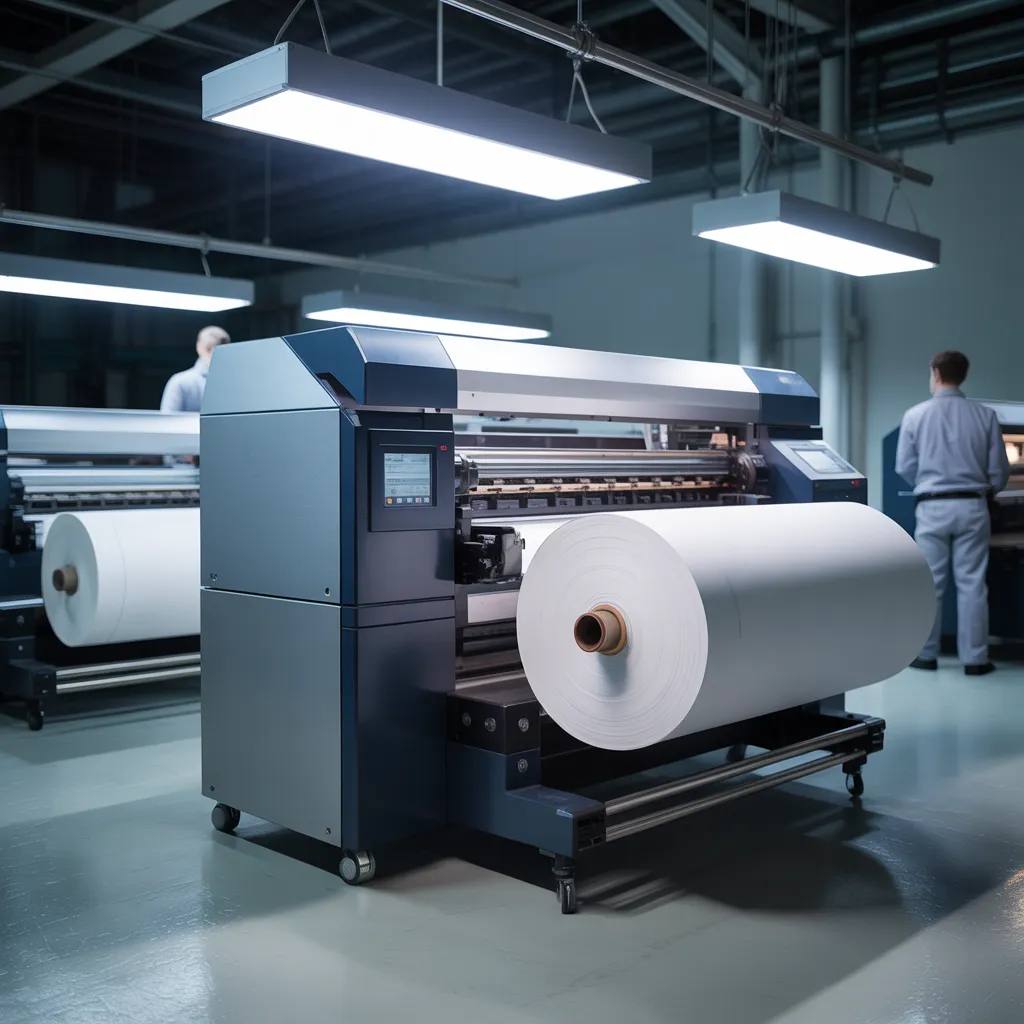
Why Your Brand Needs Quality Printing
Even though many businesses tend to overlook the value of print quality, it fulfills an crucial role in shaping a brand's image. Premium printing not only elevates the visual appeal of marketing materials but also demonstrates professionalism and attention to detail. A well-printed brochure or business card can leave a lasting impression, affecting a potential customer's perception of the brand.
In contrast, subpar print quality can cause a negative impact, making a brand look unprofessional or careless. Colors that are misaligned or dull, fuzzy text, and low-quality paper can diminish the intended message and erode brand credibility.
Additionally, consistent print quality across all materials strengthens brand identity and builds trust among consumers. Enterprises that focus on high-quality printing are better positioned to stand out in a competitive market, improving their reputation and ultimately driving customer loyalty. Quality printing is not merely an aesthetic choice; it is a crucial component of effective branding.
Main Features of Highly-Rated Printing Services
Premium printing services provide a range of features that cater to the diverse needs of businesses striving to improve their brand presence. Exceptional materials and state-of-the-art printing technology ensure sharp images and vibrant colors, bringing to a professional appearance. Customization options, including diverse sizes, finishes, and styles, allow businesses to create custom marketing materials that reflect their brand identity.
In addition, these services typically deliver swift turnaround times and consistent delivery, making certain that clients acquire their products when desired. Excellent customer support is another distinguishing feature, as experienced staff support with design decisions and technical concerns. Eco-friendly printing choices are more and more popular, appealing to businesses committed to sustainability. Finally, comprehensive online tools for ordering and tracking ease the process, enhancing user experience. Collectively, these features position leading printing services as valuable partners for brands seeking to make a lasting impression.
Evaluating Well-Known Printing Services
When evaluating popular printing services, businesses should consider a number of key factors that separate one service from another. First, the selection of products offered is vital; some companies concentrate on specific items, while others deliver an extensive selection of printing solutions, including brochures, banners, and business cards. Next, quality is crucial; checking customer testimonials and sample prints can give insight into the provider's output standards.
Pricing jump in structures are also crucial, as they differ significantly between service providers. Companies should look for transparent pricing with no hidden fees to ensure they stay within budget. Furthermore, turnaround times are crucial; some companies offer expedited options that can be advantageous for urgent projects. Customer support should not be overlooked, as responsive service can enable smoother transactions. Finally, eco-friendliness is growing into a priority for many businesses, making it necessary to assess a provider's sustainability practices.
Tailored Printing Solutions to Accommodate Your Expectations
Custom printing services allow businesses to tailor their marketing materials to reflect their unique brand identity and specific needs. This flexibility allows companies to choose multiple options, such as materials, sizes, and finishes, making certain that their printed materials stand out. Whether it's business cards, brochures, or banners, custom printing can enhance visibility and convey professionalism.
Moreover, businesses can employ specialty printing techniques, such as embossing or die-cutting, to create distinctive promotional items. Tailored touches, such as original color schemes and custom graphics, further connect with customers and reinforce brand visibility.
Budgeting for Quality Printing: Key Cost Factors
Though firms pursue high-quality printed materials, comprehending the key cost factors involved in printing is essential for effective budgeting. Several elements impact the overall cost, including the type of printing method, paper quality, and ink type. Digital printing can be more cost-effective for short runs, while offset printing becomes budget-friendly for larger quantities. Additionally, premium paper options can substantially affect pricing—high-quality stock often elevates the final product's appearance but incurs higher costs.
Final touches, such as lamination or binding, increase the budget. Organizations need to assess the design complexity, as complex layouts may demand additional setup time and costs. Additionally, shipping and delivery fees can affect the final budget, especially for large orders. By assessing these factors, organizations can establish a realistic budget that corresponds to their quality expectations while securing a successful printing project.
Designing Print Materials: Essential Tips for Strong Results
Effective design in print materials depends on strategic color choices and typography. Colors not only capture attention but also communicate brand identity, while typography plays a crucial role in ensuring readability. Together, these elements significantly enhance the impact of marketing materials.
Color Decisions Count
How do color choices influence the perception of a brand? The selection of colors in print materials plays an essential role in shaping audience emotions and associations. Each color triggers specific feelings; for example, blue often represents trust and professionalism, while red can convey excitement and urgency. Moreover, color combinations can impact brand recognition, boosting visual appeal and memorability. Consistency in color usage across diverse print formats bolsters brand identity, guaranteeing a cohesive message. Beyond this, cultural connotations of colors must be acknowledged, as they can change dramatically across regions. Overall, strategic color choices not only improve aesthetic appeal but also foster deeper connections with the target audience, successfully elevating a brand's overall impact.
Typography Improves Readability
While visual elements such as color attract attention, typography plays a crucial role in guaranteeing that the message is clearly communicated. The choice of font, size, and spacing significantly affects readability and can influence the audience's perception of the brand. A thoughtfully picked typeface complements the overall design while aligning with the brand's voice. For print materials, legibility is essential; as a result, sans-serif fonts are often chosen for headings, while serif fonts can improve the readability of body text. Additionally, appropriate line spacing and contrast between text and background are crucial to maintain clarity. In the end, thoughtful typography not only improves the aesthetic appeal of print materials but also confirms that the intended message resonates effectively with the audience.
Optimize Your Relationship With Your Printing Partner
To maximize the benefits of a printing partnership, businesses must first identify their specific printing needs clearly. This understanding facilitates more effective communication and exploration of customization options that fit their brand identity. By focusing on these aspects, companies can guarantee they receive tailored solutions that enhance their marketing efforts.
Grasp Your Printing Requirements
Comprehending printing needs is crucial for maximizing the partnership with a printing service. Businesses must first evaluate their particular requirements, including the type of materials, print quantities, and timelines involved. Analyzing the target audience and intended message will also help establish what is necessary for optimal results. Proper communication with the printing partner ensures that expectations are aligned and potential challenges are handled early on. Additionally, understanding budget constraints allows for more informed decisions about materials and techniques. By communicating these needs clearly, companies can leverage the expertise of printing professionals, ultimately leading to superior quality outputs that resonate with their brand identity. This foundational step cultivates a collaborative relationship that enhances overall satisfaction and success.
Examine Modification Alternatives
After the printing requirements are properly identified, businesses can commence exploring customization options that enhance their brand visibility. Many printing services present a selection of choices, including custom shapes, sizes, and finishes that enable companies to stand out in a competitive market. Custom colors and designs can be tailored to align with brand identity, creating a unified look across all materials. Furthermore, businesses can choose specialty inks, textures, or coatings that add a tactile dimension to printed products. Working with a printing partner that recognizes these customization options can help guarantee that the final output not only satisfies functional requirements but also resonates emotionally with target audiences, ultimately driving brand recognition and loyalty.
Frequently Asked Questions
What Types of Paper Are Available for Printing Services?
Numerous types of paper are provided for printing services, including glossy, matte, cardstock, recycled, and specialty papers. Each type serves various purposes, catering to a wide range of projects such as brochures, business cards, and art prints.
How Can I Maintain Color Accuracy in My Prints?
To maintain color accuracy in prints, use calibrated monitors, select top-quality color profiles, conduct test prints, and work with reputable printing services that employ advanced color management systems and professional-grade materials.
What Is the Normal Turnaround Time for Custom Printing Orders?
The standard turnaround time for custom printing orders is typically 3 to 10 business days, contingent upon the scope and size of the project. Rush orders might be available for immediate demands, typically incurring additional fees.
Are Environmentally Conscious Printing Options Offered?
Green printing alternatives are accessible, employing sustainable materials and processes. Several companies supply post-consumer recycled paper, eco-friendly inks, and green business practices, enabling clients to reduce their environmental footprint while sustaining premium printing standards.
Is It Possible to Order Samples Prior to a Bulk Print Order?
Yes, a variety of printing companies provide sample orders prior to larger print runs. This allows customers to evaluate quality, color accuracy, and material selections, ensuring satisfaction before investing in a considerable investment in their printing project.